


HKUMed Develops Plant-Based Moisturiser Offering New Hope for Eczema Management Without Antibiotics or Steroids
 13 February 2026
 HKUMed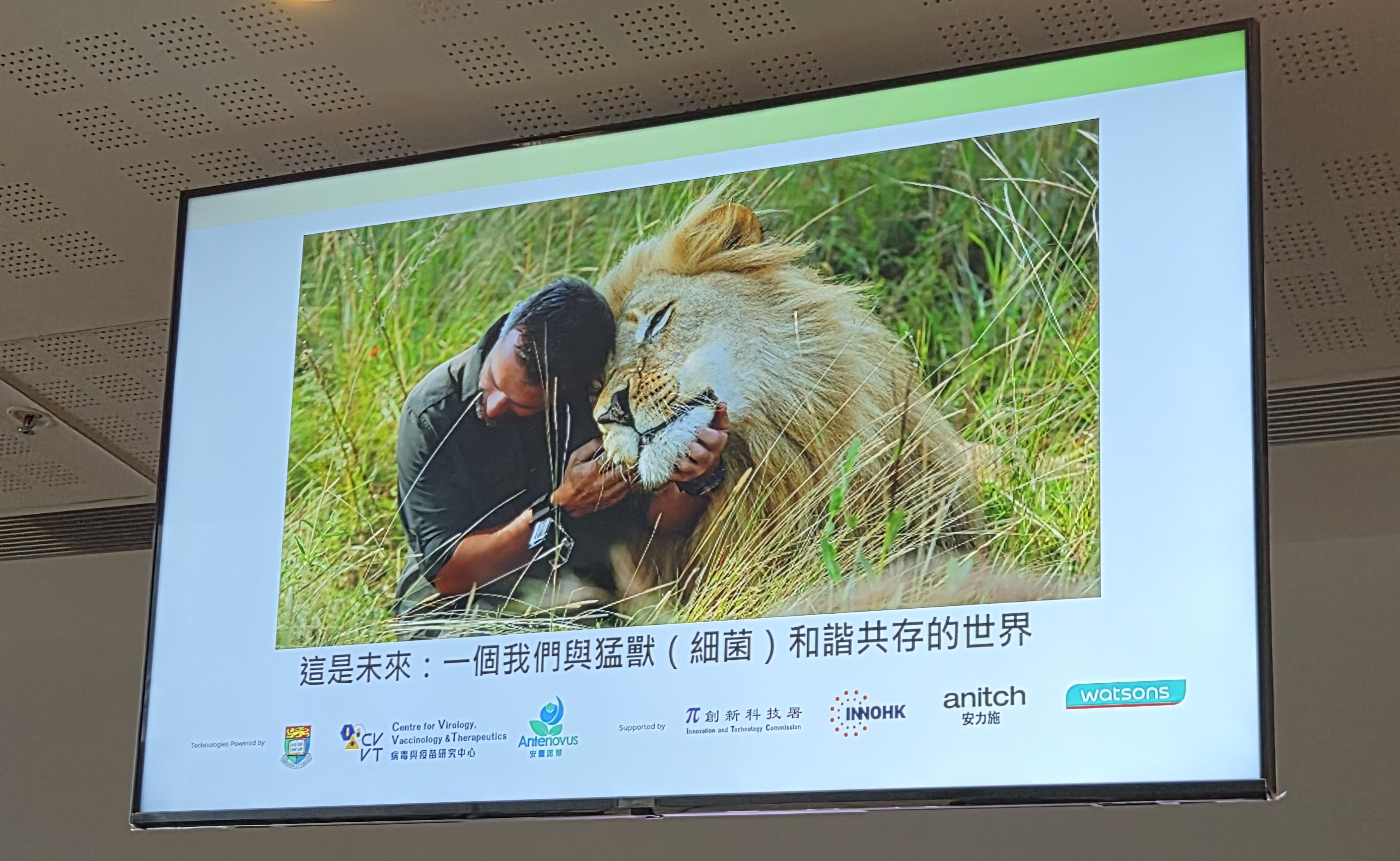

Researchers from the Department of Microbiology at HKUMed have developed a novel plant‑based composite formula that offers a promising new approach to managing eczema, without relying on antibiotics or steroids.
A New Anti‑Virulence Strategy
The formulation adopts a non‑antibiotic, anti‑virulence strategy that targets Staphylococcus aureus, a bacterium frequently associated with eczema flare‑ups. Instead of killing the bacteria, the formula suppresses their ability to produce toxins, allowing them to coexist harmlessly with the beneficial microbes that naturally live on the skin.
Professor Richard Kao, who leads the research team, explains that this represents a first‑in‑class formulation:
“They do not kill the bacteria… instead they just shut down the capability of the bacteria to produce toxins. [The bacteria] become normal bacteria, just staying on your skin, like other beneficial bacteria.”
By avoiding the use of antibiotics, this approach helps preserve the natural microbiome of the skin and reduces selective pressure that drives antibiotic resistance.
Early User Experiences
Early real‑world experiences with the plant‑based moisturiser have been encouraging. In one reported case, a patient who had suffered from eczema since infancy was able to discontinue both biologic therapies and topical steroids after using the formulation to stabilise her skin condition.
Many users have reported that itchiness starts to subside after just four or five applications, with visible improvements in skin condition within days. While further clinical evaluation is ongoing, these initial observations suggest that the formula could become a valuable addition to current eczema management options.
Supporting the Fight Against Antibiotic Resistance
Beyond its potential to improve quality of life for people living with eczema, this anti‑virulence strategy contributes to global efforts to combat antibiotic resistance. By reducing reliance on antimicrobial treatments, innovations like this help preserve the effectiveness of existing antibiotics for when they are truly needed.
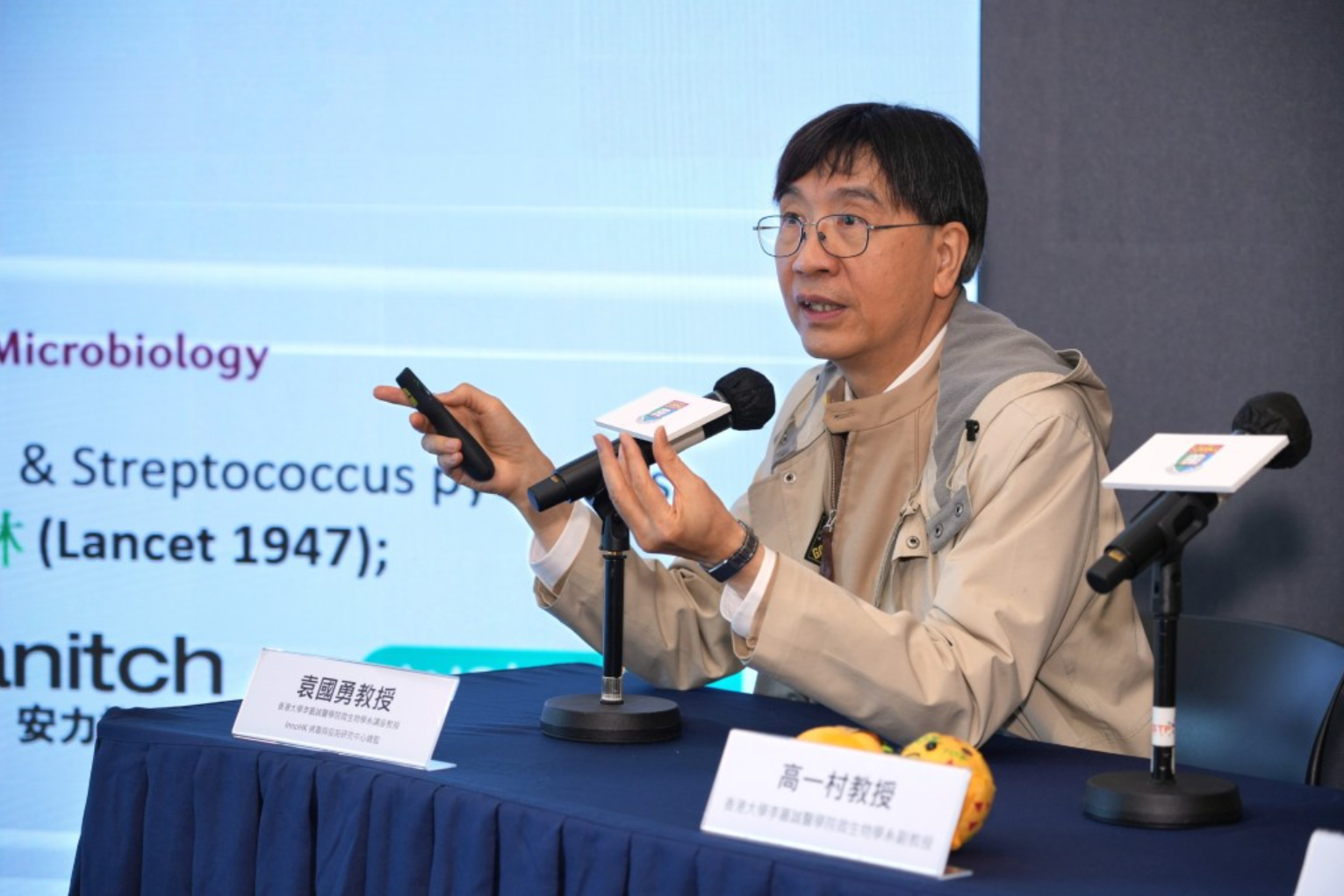
(Photos of Prof. Yuen and Prof. Kao from SingTao News)